Graduation project: Now you see/Zie je wel
Can I blindly trust what I read?
I often read things that aren’t there. My brain fills in, corrects, or twists letters into something new. This is what it’s like to have dyslexia. Not just a reading difficulty, but a way of seeing the world—fragmented, shifting, and full of doubt. One moment I’m sure what I see, the next I’m not. That confusion is the starting point for this work.
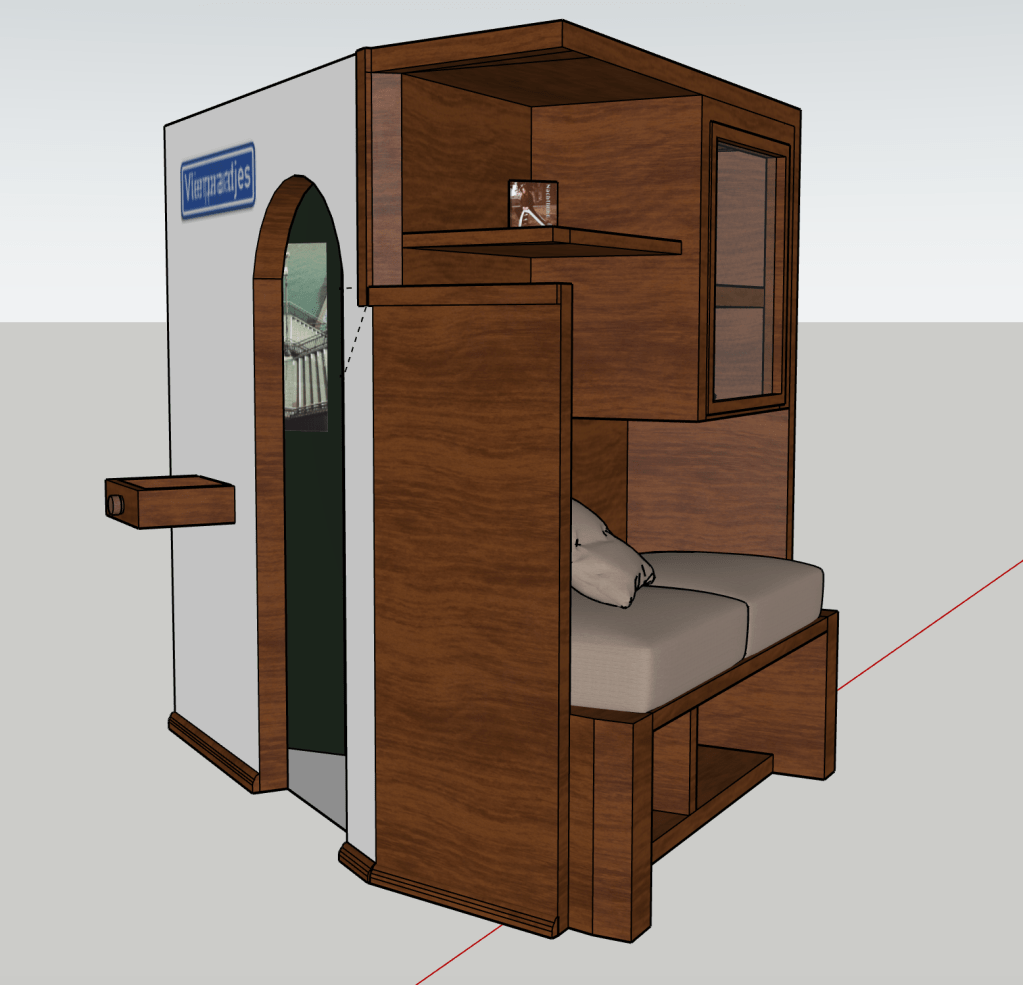
Now you see / Zie je wel s a spatial installation based on my personal experience with severe dyslexia. It looks like furniture a bench, a cabinet but reveals something different from every angle. Lenticular prints change as you move, while typographic elements mislead or disappear altogether. This work invites visitors to doubt their own perception and to feel the instability I live with. Not to explain dyslexia, but to embody it.
Lois Erprath (2000, Venlo) is a multidisciplinary artist working with photography, space and text. Her work focuses on perception, neurodiversity and language.
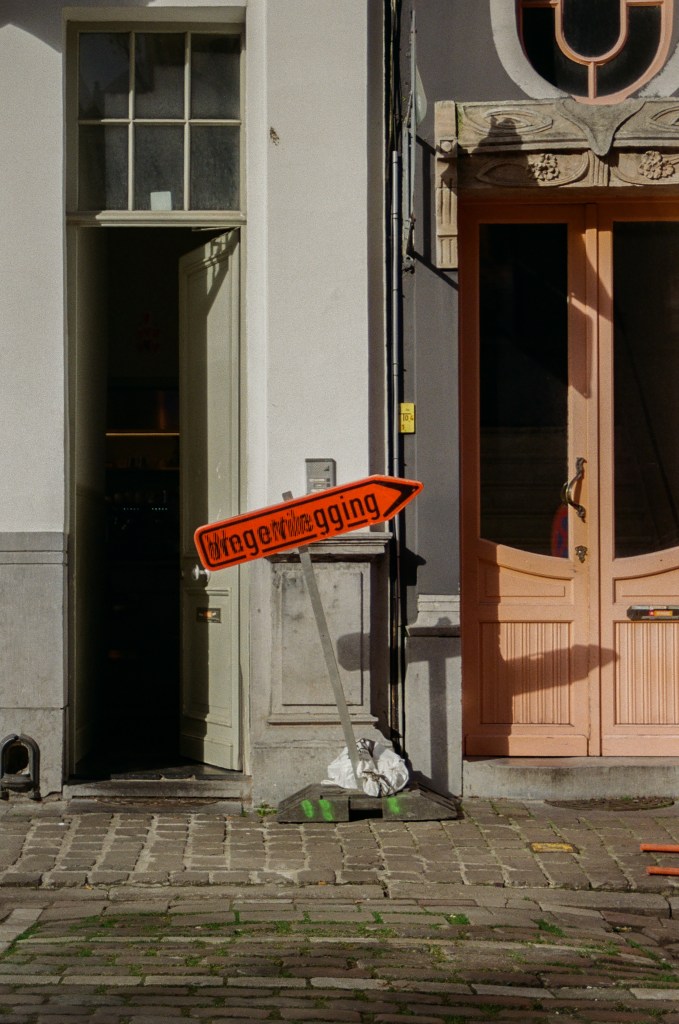
Proces
This work did not begin with a clear idea, but with confusion.
With reading the same sentence over and over again.
With letters that jump, disappear, change.
With the feeling that what I see isn’t right, or that I am the one who isn’t right.
That feeling became the starting point.
I didn’t want to explain dyslexia, but to make the feeling of doubt and instability tangible.
What does it mean when your perception constantly lets you down? And can you make others physically experience that?
I started experimenting with forms, materials, and typography that can’t be captured in a single glance. Things that change as soon as you move, look, or hesitate.
I made tests in which text disappears as you approach, in which letters remain fragmentary, or simply things that didn’t work. Sketches, misprints, mock-ups. I experimented a lot with lenticular sheets—photos or images that change as you move past them. Sometimes it worked, sometimes not at all. But that searching is part of the process.
The whole process sometimes felt chaotic, but that actually fits the subject perfectly. Nothing is fixed, nothing is completely certain. In the end, a hybrid object emerged. Something that looks like a piece of furniture, but isn’t really. Not clearly art, not clearly a utilitarian object. You have to walk around it, view it from multiple angles. What you see keeps changing. Just like how I often doubt what I read or see.
Doubt is not a mistake here, it is the work.
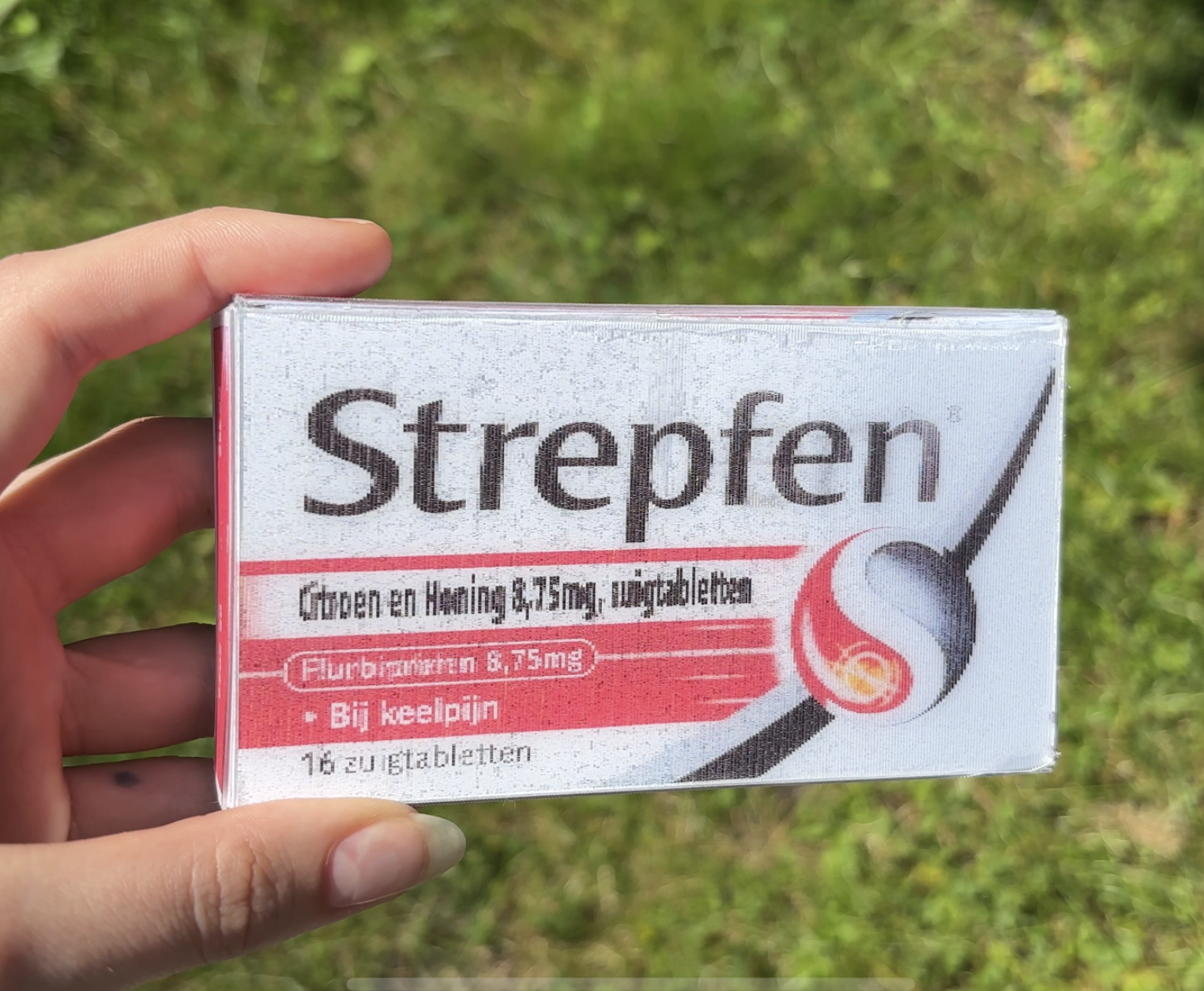
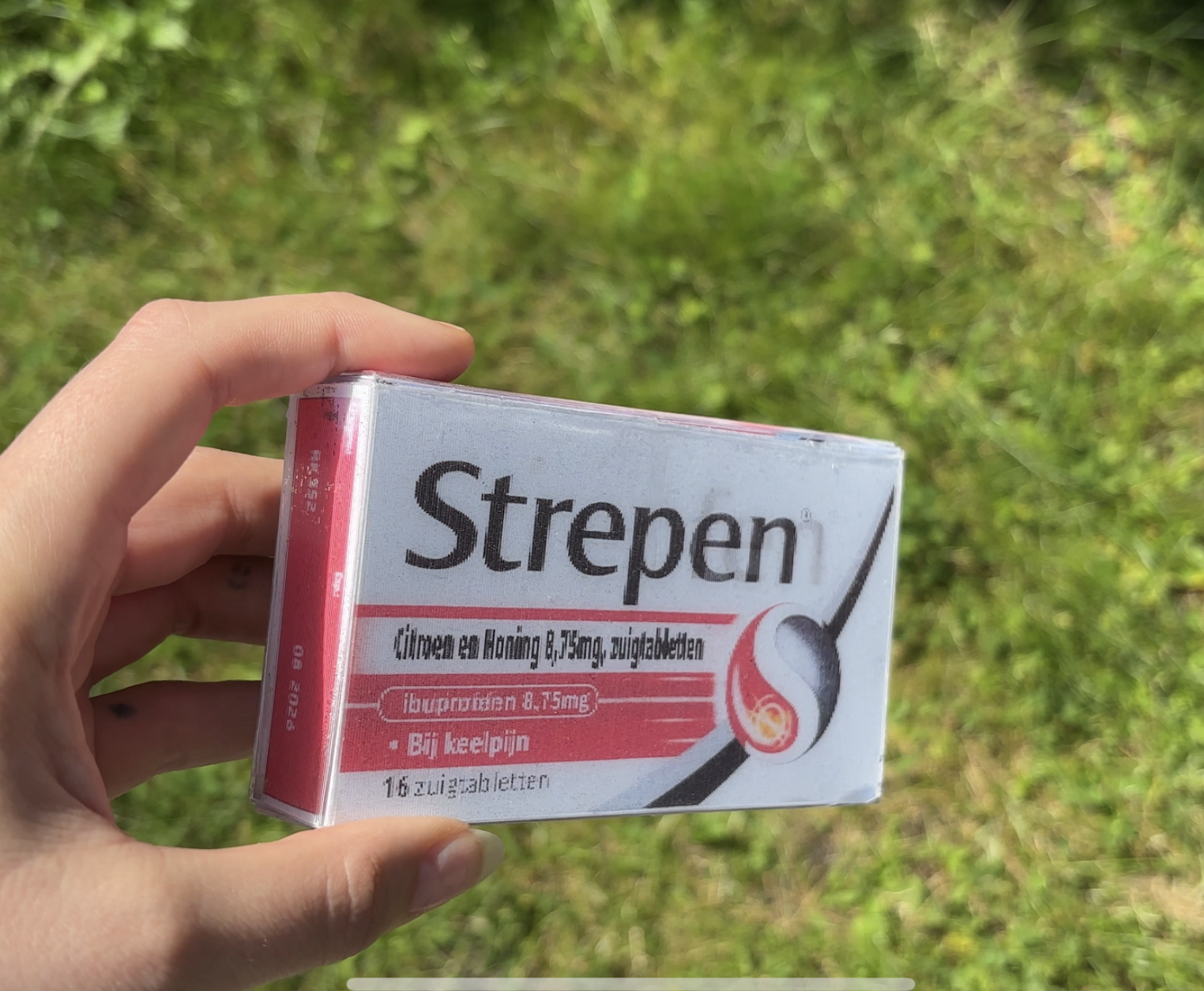
About the Installation
The photos in this project do not function independently from the object. On their own, they are already interesting, but it is only in combination with the sculpture that they truly come to life. By embedding the images in a physical form, an object you can touch, open, or have to move around looking becomes an experience rather than just observing.
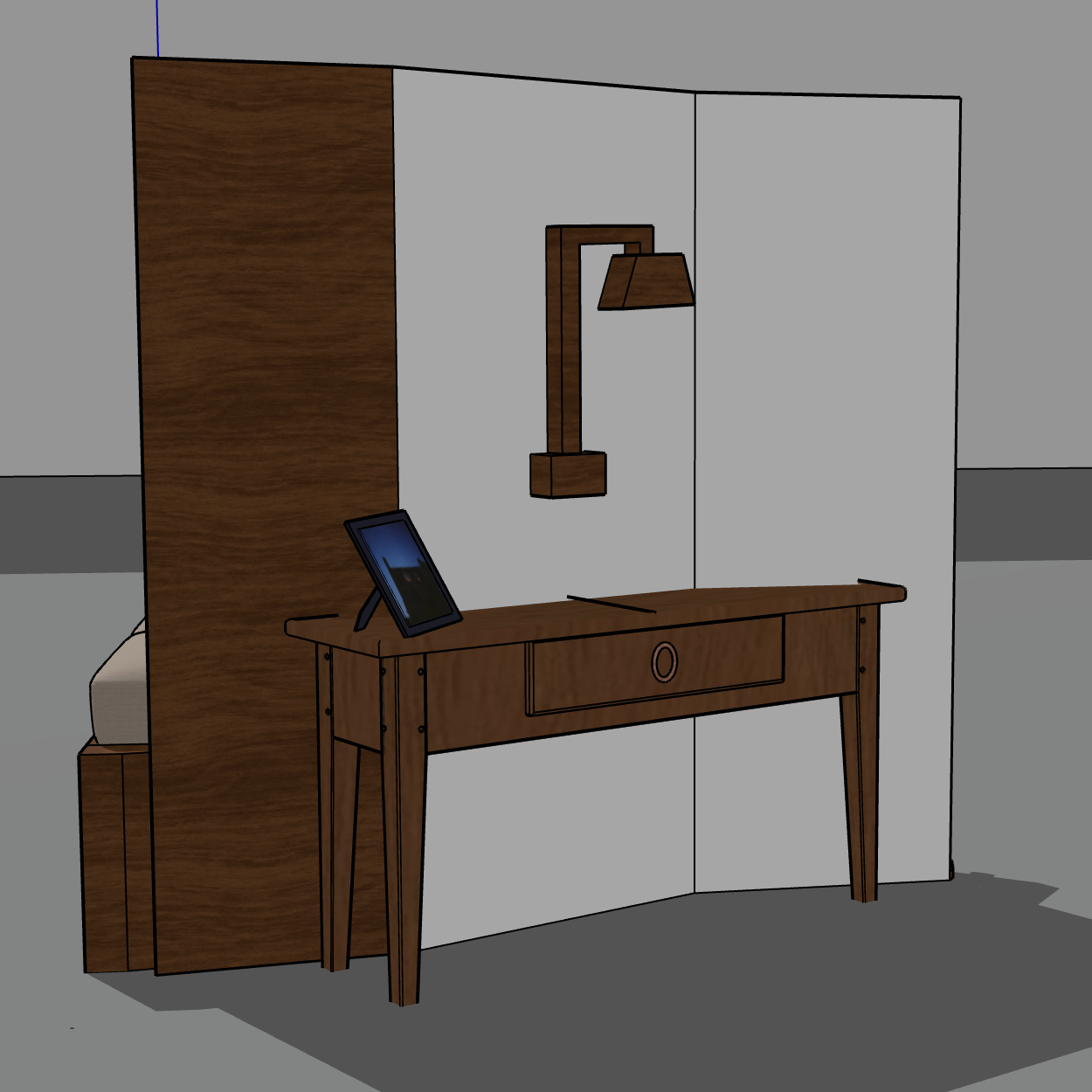
The object itself appears to be something ordinary: a cabinet, a bench, a kind of piece of furniture—but it’s not quite right. It is hybrid, ambiguous, and that creates confusion. And it is precisely that confusion that I also experience with dyslexia.
You don’t really know exactly what the object is, and that forces you to look again, to read again, and perhaps even to doubt your first impression. And that is exactly the point.
 LOISERPRATH